MASON W POJE
Competencies
A look at the tools, skills, and strategies I’ve built during this master’s degree
Adobe Photoshop
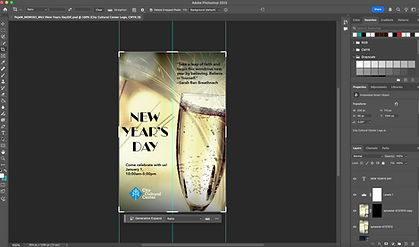
At first, I learned Photoshop through tutorials, then by spending time experimenting and working in the program. That practice helped me get comfortable with the tools and find my own workflow. I used it for a variety of tasks like editing images, designing layouts, and even creating a cinemagraph. Photoshop gives you creative control that’s hard to match, and it’s something I’ll continue to rely on for image-based work and more detailed compositions.
Taglines
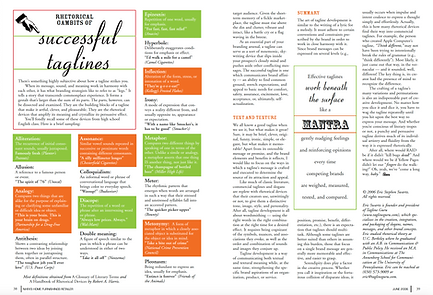
Taglines are short, memorable phrases that help people connect with a brand. They build recognition, reinforce identity, and bring consistency across different platforms. I learned how to craft effective taglines by studying examples and techniques, including tools that make them stick in people’s minds. Whether I’m launching a product or building an entire brand, having a strong tagline helps make it more memorable and distinct.
Linearity Move
Linearity Move is a tool for animating graphics. It works with keyframes, so you can make shapes and elements move over time.
I tried out different programs before settling on Linearity. The first few animations took a while, but I figured out a workflow that made the process smooth. Motion helps bring a design to life. Whether it’s an animated logo or a short video, I know how to plan and build animations that add energy and clarity to a brand.

Typography
Typography became one of the most interesting subjects to explore. It goes way beyond just picking a font. It affects how something feels, reads, and looks. I studied x-height, font families, expressive typography, and how to pair and place different styles of type. Now I can confidently combine fonts, create better layouts, and understand how type choices support the message. It’s one of the most important design skills I have.

Onlyness Statement
An onlyness statement defines what makes a brand unique. It connects strategy to storytelling and helps focus messaging. We worked on these statements during our research course and used them to clarify what sets a brand apart. I also used the structure in my thesis. Whenever I start something new, this will be one of the first things I write. It keeps the brand grounded and gives it a clear point of view.

Shopping List of Needs
This is a framework that explains why people buy things. It includes emotional needs like recognition, stimulation, novelty, and security. I learned about it early in the thesis process and used it to guide brand decisions. This list is something I’ll keep going back to. It helps me get into the mindset of a customer and shape the design and messaging around what people actually care about.

Visual Hierarchy
Visual hierarchy is how you guide someone’s eye through a design. It helps people process information quickly and understand what matters most. We studied this in week two of Design Research, and it came up often throughout the degree. I’ve learned how to use size, color, spacing, and layout to build strong hierarchies. This concept applies everywhere, from product packaging to instruction manuals. It’s one of those fundamentals that will always come in handy.

Sonic Branding
Sonic branding is about using sound to help shape a brand’s identity. It can be a short audio logo, a jingle, or a more immersive soundscape. I explored how companies use sonic branding to build emotional connections and boost brand recognition. Because I’m passionate about sound and music, I see this as an exciting area to explore further. Whether it’s for games, retail, or product design, audio can make the experience more engaging and memorable.

Audio Advertisements
Audio ads are powerful because they let you tell a story with nothing but sound. You hear them everywhere—from radio and streaming to podcasts. I listened to dozens of audio ads and studied how they use emotion, pacing, and sound design to connect with an audience. I even created a complete ad myself. I could definitely see myself creating more in the future. I understand the strategy behind them, and I’m confident writing scripts, recording, and editing the final product.

Adobe Illustrator
Illustrator is the design tool I’ve used the most. I’ve been working with it for years, and it’s the one I feel most at home with. I remember being frustrated in the beginning, but over time I learned how to use it efficiently and explore its more advanced tools. This is the main program I’ll use for creating anything 2D, from logos to layouts. It’s essential to my workflow and a major part of my creative process.

Adobe InDesign
InDesign is built for layout design—perfect for creating booklets, documents, and multi-page spreads. I started by modifying templates and eventually got to the point where I could design from scratch. I picked up a lot of it by experimenting and watching tutorials when I got stuck. It’s the best tool for editorial and document work. I’ll be using it any time I need structure, organization, or a polished print-ready design.

Copywriting
Copywriting is the skill of writing in a way that connects and persuades. It’s about finding the right words to match the message and the moment. I took an entire course on it, researched the psychology behind good ad writing, and created campaigns across different media. Being able to write strong copy is something that will always be useful. It helps me express ideas clearly and connect with an audience no matter what kind of project I’m working on.

Differentiation
Differentiation is what sets a brand apart from everyone else in the market. It’s how you carve out your space. I researched different strategies and studied real-world examples of how companies separate themselves through branding. This is one of the first questions I ask when starting a project: What makes this brand different? It’s the foundation for everything that follows.
